Traveling Thursday – Picture Perfect

Vacations, Forth of July fireworks, family gatherings…there are so many things to photograph during the summer. This week I’m sharing a list of links that will help you improve your photography skills.

Shooting Fireworks
This piece from Digital Trends focuses on tips for a “real” camera. http://www.digitaltrends.com/photography/fourth-of-july-photo-tips-shooting-fireworks/

The New York Institute of Photography offers tips for both DSLR and point-and-shoot models with a lot of editing tips thrown in as well.
http://www.nyip.com/ezine/holidays/firewks.html

This piece from Photojojo includes some ideas to spark your creativity.
http://content.photojojo.com/guides/11-tips-for-sparkling-fireworks-photos/

Vacation Photos
TLC offers tips for taking fantastic family vacation photos.
http://parentables.howstuffworks.com/slideshows/family-travel/10-tips-taking-great-family-vacation-photos/

Hip Trip Mama has even more tips, both technical and artistic, to shoot great pics on your next family vacation.
http://www.hiptravelmama.com/hip-tips/hip-tips-family-vacation-photography-how-to/

Fodor’s has lots of tips for creating memorable vacation photos.
http://www.fodors.com/travel-photography/

Planning to use a self-timer? Here’s how NOT to do it.
http://digital-photography-school.com/how-not-to-take-a-self-timer-portrait

Take better beach photos using these tips.
http://www.lightstalking.com/beach-photography-tips

Improve Photography gives great advice for shooting in the mountains.
http://improvephotography.com/1793/tips-ideas-landscape-photography-mountains-hiking-camping/

Miscellaneous Links
Camping with your photography equipment
http://improvephotography.com/1362/10-tips-for-camping-and-being-outdoors-with-your-photography-gear/

Interesting, alternative uses for your camera during your travels
http://www.vagabondish.com/clever-uses-digital-camera-traveling/

If you know of other good resources, please share them in the comments.

Traveling Thursday – Be realistic

It’s disappointing when you realize that you might not be physically able to travel in the way that you used to. No one wants to admit that an ailment or age might keep them from seeing, doing, and going. As painful as it may be, we should all think seriously about our fitness level and whether we can meet the challenges of the trip that lies before us.

If you are taking a group tour, talk with your operator about the physical challenges you’ll meet on the tour. They should be able to provide information about the lengths of walking tours and the types of terrain you’ll encounter. Ask about your accommodations as well. Is there an elevator? If you’re traveling abroad, does that elevator work? What is the shower/tub like? Use this information to decide whether a trip is right for you or not. Reputable operators will not push you into taking a trip that is outside your comfort zone. If you feel pressured, it might be a sign that the operator and itinerary aren’t right for you.

Be honest from the start. If you have a physical limitation or condition that requires special consideration, talk with your tour operator and/or traveling companions about it. Find out if accommodations can be made but understand that sometimes, there is nothing that can be done. Most attractions in the U.S. are very accessible to those with limited mobility. The same is not true for other parts of the world. Find out what’s involved with traveling to your dream destination.

Don’t forget the airports. If you’ll need a wheelchair for the airport, talk to your travel planner or airline in advance. Don’t feel bad about asking for this assistance. Some airports are massive. By pre-booking a wheelchair you ensure that you won’t overexert yourself before the trip even begins.

It’s more than just mobility, disclose other conditions too. A traveler waited until the week before departure to tell me that her traveling companion had hemophilia and required a refrigerator for his supply of clotting factor. We were able to arrange for a small fridge to be put in their room but it involved a lot of last-minute effort on everyone’s part. This is the kind of thing that you need to tell your travel planner from the beginning. It’s much easier to solve these problems in advance.

Many travel companies will ask passengers to complete a passenger information form that asks lots of questions, including some related to health and fitness. Answer those questions completely and honestly.

Group tours are not a babysitting service. I have encountered a few instances where adult-children knowingly sent their parents on a group tour despite physical or mental limitations. You can’t expect that someone will take care of your loved one. Tour leaders have to take care of logistics for the whole group and do not have the time or training to be an aide for travelers with special needs.

With anything else in life, honesty is the best policy. By honestly assessing your fitness level and asking questions in advance, you should be able to select the right trip. Once you’ve selected a trip, be sure to share health-related information with your traveling companions and/or travel planner.

Gallabrae – Greenville Scottish Games

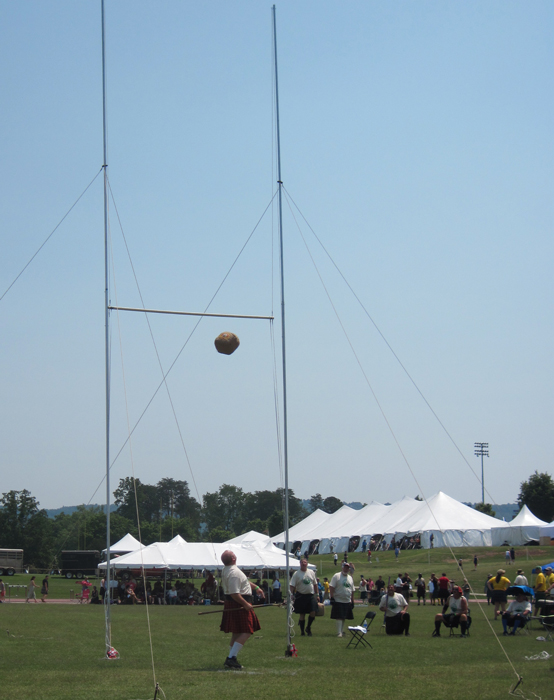
gallabrae caberMcB and I attended Gallabrae – Greenville Scottish Games on Memorial Day weekend. The festivities were held at Furman. In addition to pipers, the event featured border collie competitions, Highland dancing, heavy athletics like caber and sheath tossing, a Celtic music tent, and a British car show.

We were both pretty impressed with Gallabrae. There were a number of things going on simultaneously and you could easily find something to suit your fancy.

pipers gallabraeIf you’ve never been to the games before, I would definitely recommend going next year.

At $15 per adult, it’s not the cheapest event; but, the wide variety of activities makes it a good value.

In the spirit of sharing, I would offer these lessons to make your day a bit more enjoyable.

  • Arrive early. The traffic snarls quite a bit and you don’t want to miss anything while waiting in a long line.
  • Consider taking a bag chair or blanket. Seating is very limited and while there is a lot of grass to sit on, some of it is oddly rough and scratchy.
  • Save money by printing out a schedule from the website or going to the festival tent to see the full program instead of buying one.
  • If you don’t mind buying a program, get it early. They were sold out around noon on Saturday.
  • Wear a hat and sunscreen. There is very little shade.
  • Take cash for the vendors, especially those selling water and cold beverages.parachutes at gallabrae
    • Go to the opening ceremony. This year we saw a team parachuting down with American and Scottish flags, pipers, and the parade of clans.
  • Visit the British car show on your way out. The cars are in a nice shady area that’s not unbearable in the heat of the day.

Here are a few more images from the day. After looking at these and recounting the day, I’m really looking forward to the 2013 event.

sheep at the border collie demo

tshirt

Traveling Thursday – Staying healthy while traveling

Travel can be rough on your body. Even a short trip means changing your routine and possibly throwing your system off kilter. Being sick or feeling a little off is never fun but it’s even worse when you are away from home, especially if you are wasting precious vacation time.

There are some basic things you can do to treat your body well and minimize the effects of travel.

Stay hydrated. More than half your body is made of water and if it’s going to function properly, you need to stay hydrated. The symptoms of jet lag can be compounded by dehydration. To take care of your body, be sure you’re drinking several glasses of water a day. If you cringe at the price of water in the airport, bring an empty bottle through security and refill it at a water fountain near your gate. Ask for water during your flight. Remember that drinks with alcohol or caffeine can make dehydration worse.

Be mindful of where that water is coming from. If you are traveling internationally, be sure to ask whether it’s OK to drink the water or not. In most European countries, there’s no reason not to drink the tap water but in other parts of the world, it can be more dicey. Ask your guide or the hotel staff. If you are encouraged to buy water, make sure you are buying a sealed bottle from a reputable shop. If you can’t drink the water, don’t eat the ice or drink any cold beverages that are mixed with water. Also, stick to fruits and vegetables that must be peeled in these countries.

Jump (well move) around. Deep Vein Thrombosis and pulmonary embolism occur when a blood clot forms in a large vein. This can be fatal if a portion of the clot breaks off and enters your lung. Most people associate the condition with long flights, say the 17.5 hour jaunt between Dulles and Johannesburg; but studies show that even four hours of travel in a plane, train, bus or car, can put you at risk. Walking around is a great way to mitigate your risk. If you can’t do that, you should raise and lower your feet/heels while seated. This PDF from the National Blood Clot Alliance offers some great prevention tips.

Get your Zzzz’s. Treat your body well and it will return the favor. If you are out late, then try to stay in bed a little longer the next morning. Remember that caffeine can make dehydration worse so don’t try to make up for your lack of sleep by downing mass amounts of coffee.

Watch what you eat. Yes, it’s vacation and you should feel free to indulge but keep it under control. Your body doesn’t want a steady diet of deep fried, fatty foods. Try to balance heavy meals with lighter options.

Pack the antibac and sunscreen. You’ll need them both. I got a sunburn in Scotland because I was expecting dark, dreary skies. You’ll likely have at least one intensely sunny day so pack a small tube of sunscreen.

This post could go on and on. There are so many easy, common sense things you can do to have healthy travels. For more great tips, and in depth coverage on things like vaccinations and region-specific issues, visit the CDC’s site for
great resources and tips.

Traveling Thursday – Drive safely

For many, summer vacation involves driving. Here are a few tips and tricks to make your journey as safe as possible.

  • Make sure your tires are properly inflated. Both under-and-over inflated tires can cause you trouble so use the tire gauge to ensure that your tires are at the proper pressure. Check your tire pressure before you start driving. The recommended tire pressure for your vehicle should be listed in the driver’s side door, on the glove box door, or in the owner’s manual. Don’t confuse the recommended pressure with the maximum pressure that is stamped on the tire itself.
  • Don’t skimp on service! Regular oil changes are even more important in the heat of summer when your engine needs even more lubrication. If your summer routine involves pulling a boat or other equipment, ask your mechanic if you should switch to a more viscous oil.
  • Just as you are taking precautions to keep yourself hydrated, make sure your automobile’s fluids (coolant, transmission fluid, brake fluid, windshield washer fluid) are at proper levels.
  • If your vacation takes you to the mountains, consider downshifting instead of riding your brakes down a hill.
  • Keep an eye on your temperature gauge. If you start to overheat, try turning the heat on in your car. This should bring the temperature down a bit. If you have to stop to cool the engine down, remember that you should wait a bit before opening the hood.
  • Check out your wipers and replace if needed. Sun and heat can cause your windshield wipers to wear faster.
  • Check out the air conditioner. Not only will you get uncomfortable if the air conditioning goes out, but may also lose other important engine systems.
  • If you are taking a long drive or heading to a sparsely populated area, consider packing a gallon of water, extra coolant and oil. These items may come in handy during your travels.
  • Remember that there are areas were the GPS doesn’t get a signal. Buy an atlas or print your Google map as a backup.
  • For driver safety, be sure to take routine breaks. I know someone who drove so long that when he got out of the car, his legs locked up and he fell hard in parking lot. He always thought I was a wimp for taking breaks to stop and stretch my legs but that changed after he bloodied his knees. Be kind to your body and plan to stop about every two-hours or 100 miles.
  • Don’t drive when you are sleepy. Drowsy driving can cause accidents. Pull over at a rest area to take a cat nap or treat yourself to a night in a hotel. Check for coupon books at interstate rest stops to bring the cost down.

Traveling Thursday – Get outdoors and enjoy freebies

Saturday, June 9 is National Get Outdoors Day. What, you haven’t ordered a cake or mailed your cards yet? I know it is a made-up holiday but that shouldn’t stop you from enjoying free admission to select national parks and public lands.

For a list of participating National Parks, visit this site. This link lists other days when admission to these parks is free.

For a list of the 56 public lands waiving admission on June 9 visit here.

Enjoy the sun and the freebies.

Photowalk – University of South Carolina

I must admit, it’s been a crazy month since I’ve started my job. I’ve fallen behind on a few things, like keeping every baseboard in my house dust-free, trying every new thing on Pinterest and blogging. I am committed to managing my time a bit better and staying on top of this blog, even if it means letting a bit of dust accumulate on the baseboards.

The photos in this post were taken at the University of South Carolina on Good Friday. Enjoy!

University of South Carolinaveterans memorialThis is adjacent to the World War Memorial on campus. When the building was constructed in the 1930s, it was believed that there would never be another World War. The building now houses University Publications.

Brick walls and palmettos

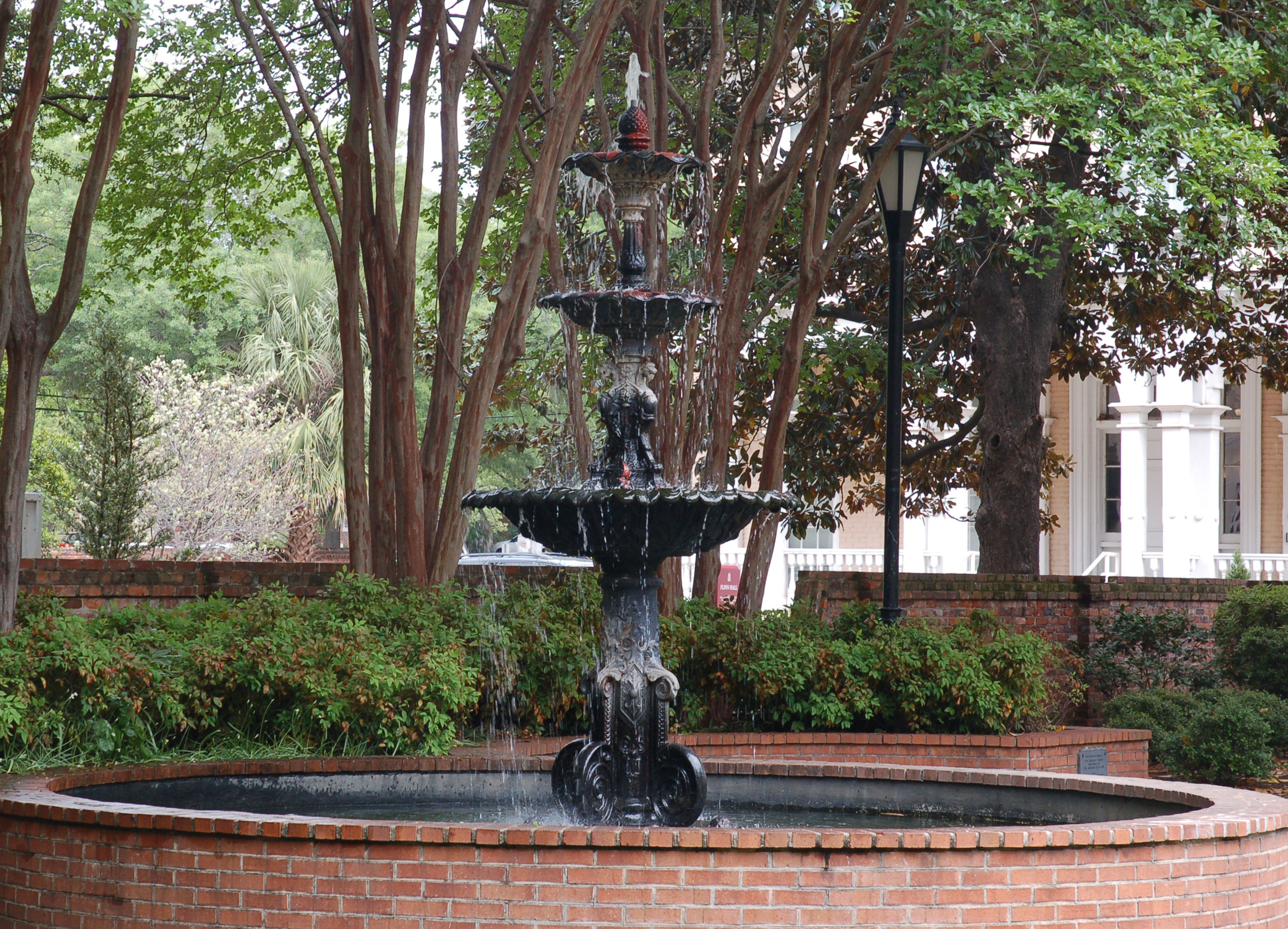
The Memorial Fountain (aka three-dish fountain) in the Caroliniana Garden was sporting garnet and black when I visited. The fountain is a memorial to South Carolina’s patriots who served in the Revolutionary War.

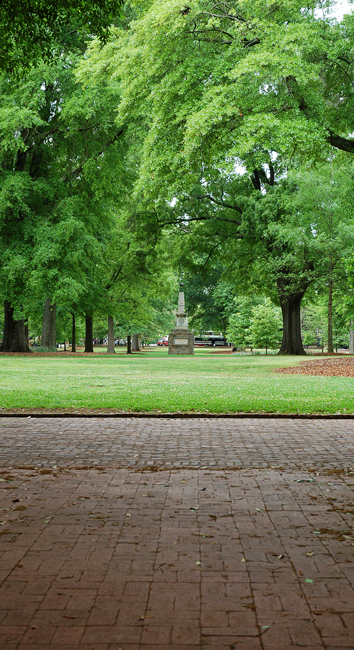
horseshoeThis photo looks onto The Horseshoe, the oldest part of the campus dating back to 1805. The monument seen in the distance is in memory of Rev. Maxcy, the first president of the then South Carolina College. Yeah, it’s a lot different from The Horseshoe, I’m used to talking about.

pineappleThe pineapple has long been associated with hospitality so it’s fitting that this one greets visitors at the Memorial Rose Garden.

fountainLooking toward the Thomas Cooper Library

torch bearer

The “Torchbearer” was donated to the university in 1965 by sculptress Anna Hyatt Huntington.

The campus was really lovely. I enjoyed the big, shady trees and old buildings.


Traveling Thursday – Tell them about it.

When you are traveling, it’s a great idea to share your itinerary with a family member, friend, or trusted neighbor. Not only does this mean they can easily contact you in case of emergency, it also gives them details to provide authorities should something go awry on your trip.

Ideally, you should share your lodging details including address and phone number along with some kind of daily schedule. If you are traveling on a group tour, just make a copy of your itinerary and share it with your contact. Many tour companies also offer “where to reach me” cards that include lodging details or cruise ship contact information. If you are traveling independently, share transportation details (flight/train/bus schedule or the planned driving route for the day) and a tentative schedule of any planned activities.

I know this might seem like overkill but imagine that your contact needs to get in touch with you immediately and your mobile phone doesn’t have service. Though we depend on our mobile phones, who hasn’t been without service when they need it most? Your contact has the hotel number and can try calling you there. Maybe your contact knows you’re expected to be at a museum and can call to seek their help in tracking you down. You never know when an emergency will require your immediate attention.

Your contact(s) can also find relief in knowing your itinerary when a natural disaster strikes. Imagine you are touring in South America and visiting a number of countries when an earthquake hits Chile. With a quick check of your schedule, everyone is relieved to find out you were safe in Argentina that day.

No one wants to think about it, but by sharing your itinerary, you could also help provide useful clues if something happens to you. Say you are traveling solo and planned to go out for a little hike during the day. Your family member is a little worried about you hiking on your own so he/she decides to call and check in later that night or the next morning but you don’t answer your cell. He/she calls your hotel and you don’t answer the phone. He/she can now decide to ask hotel management to knock on your door and if you’re still not there, it might be time to call the police or the park service in order to track you down. You can see where you might not want to give your schedule to the “nervous Nellie” of your group, but you can also see where this information would come in handy if something bad happened.

As with everything else in life, use your best judgment but strongly consider giving your itinerary to someone you can trust.

Traveling Thursday – Airport Guides

While I’m not a big fan of the ads and pop-ups, I find the airport guides at iFly to be very useful. With a few exceptions (including TRI, the airport closest to my parents) you can find information on almost any airport in the world. The guides typically include information on when the airport opens, security, parking (locations and rates), maps, and listings of services and amenities. There are also suggestions for activities should you chose to leave the airport during a particularly long layover.

In addition to the airport guides, the site also has links to flight trackers and a section devoted to travel advice including a special section for inexperienced flyers. More seasoned travelers can benefit from reviewing other sections on getting bumped, customs/VAT, and EU travel regulations.

Again, it’s not the most visually appealing site and the ads are a nuisance but it’s a great (free) resource for travelers.

South Carolina State House

I’m such a bad blogger and traveler. I just found the SD card with photos from my exploration of Columbia, SC back on Good Friday. With Mr. McB out of town, I’ve had plenty of time to edit the photos so I can get them posted here. I covered a lot of ground during my time in Columbia so I expect to have at least another post devoted to my adventures.

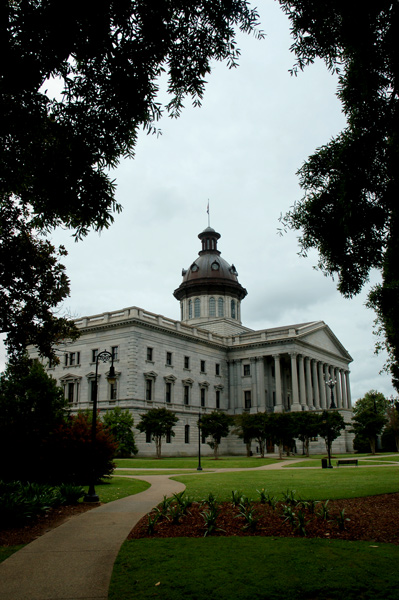
My first stop, well after Starbucks, was the South Carolina State House.

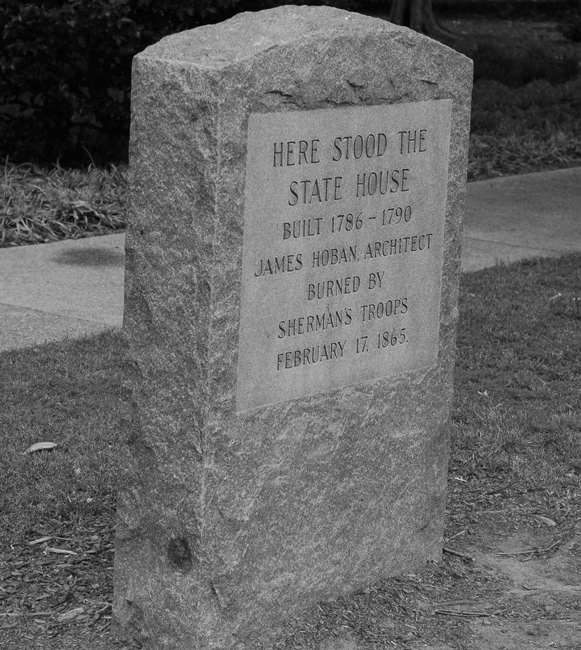
The story of the State House is as rich as the history of the state itself. The “new” State House’s original architect, P.H. Hammarskold, proved to be incompetent and was relieved of his duties in 1854. He was replaced by Major John R. Niernsee. Neirnsee had to completely dismantle the work started by Hammarskold before he could begin his own structure. Construction slowed during the War Between The States Things took a bad turn for everyone (except the Yankees) on February 17, 1865 when Sherman’s troops captured the city and began campaign of destruction.

As you can see from this marker, the citizens of Columbia are still a wee bit upset by the actions of Sherman’s men. The Union soldiers completely destroyed the old State House and set fire to the unfinished “new” State House. While the structure was damaged, it was not completely destroyed. Bronze starts mark the spots where cannons and other artillery damaged the outside of the granite structure.

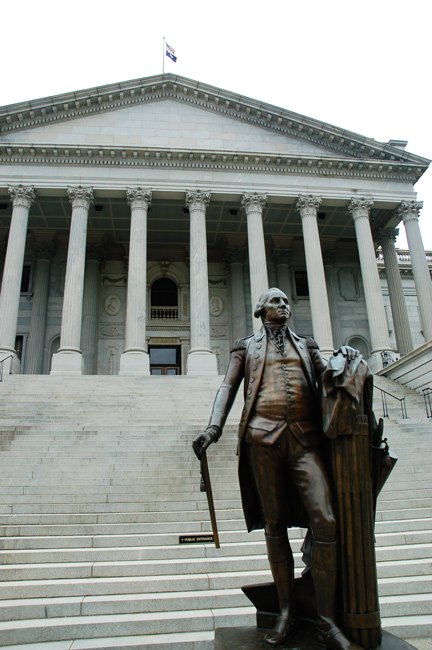
George also shows his battle wounds. He originally carried a long walking stuck (not a baton) but the end was broken off when Union soldiers threw bricks at the statue.

The war left South Carolina in financial ruin. When the State House was completed in 1903, the Greek Revival structure didn’t match Niernsee’s vision. Instead of a stunning tower topped with a pyramid-type structure, the State House has a dome similar to those seen in other states. The changes to Niernsee’s designs were very controversial. There were bitter debates and even a lawsuit that ended in a mistrial. The State House went through a major renovation in the 1990’s to bring it up to fire code, improve accessibility and add required earthquake protection measures.

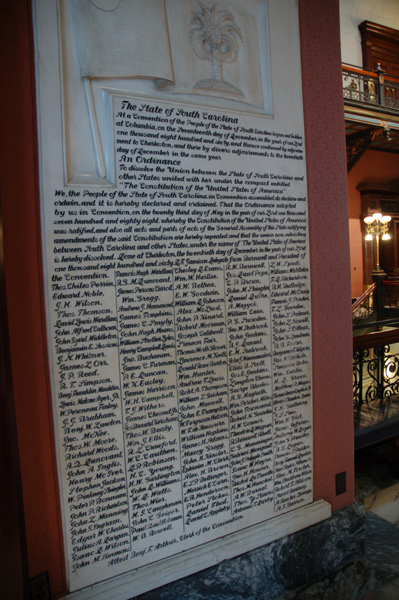
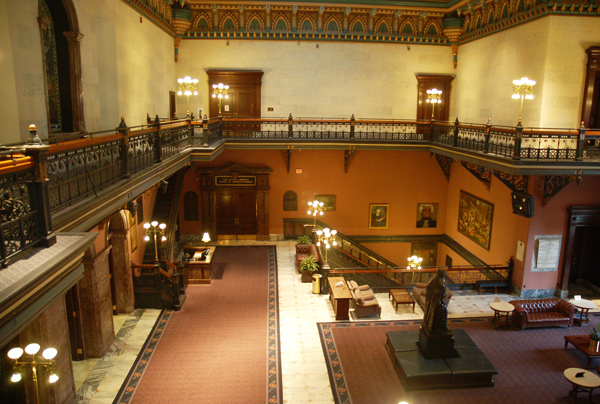
South Carolina State House interiordissolution “Dear Union,
This isn’t working. We’re breaking up with you. Please leave us alone.
Sincerely, South Carolina.”
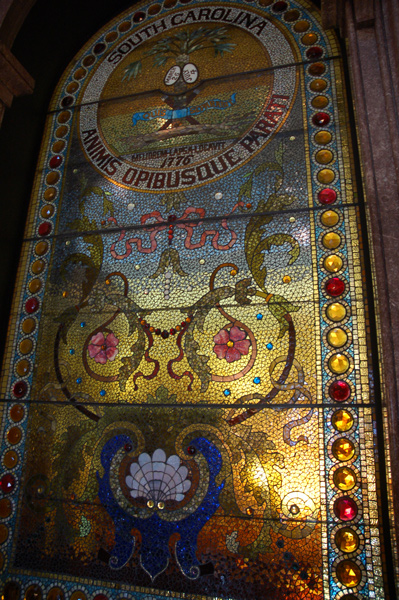
stained glass inside the state houseThe stained glass window is found inside the State House. It was constructed by a friend of architect Niernsee.
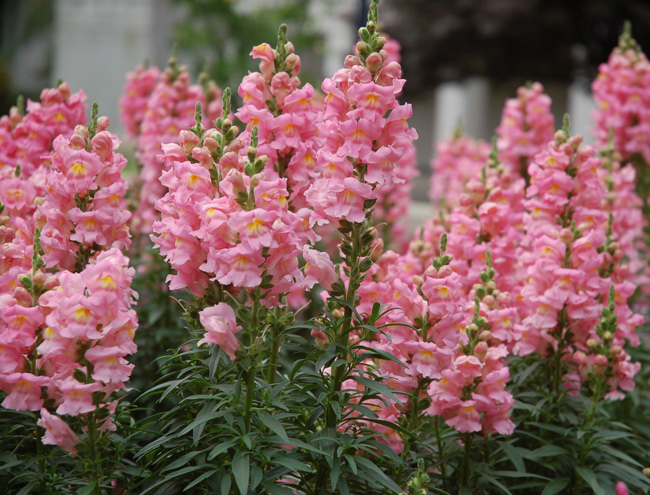
pink flowers state house south carolinaThe State House grounds feature several lovely garden areas and a number of monuments and memorials.
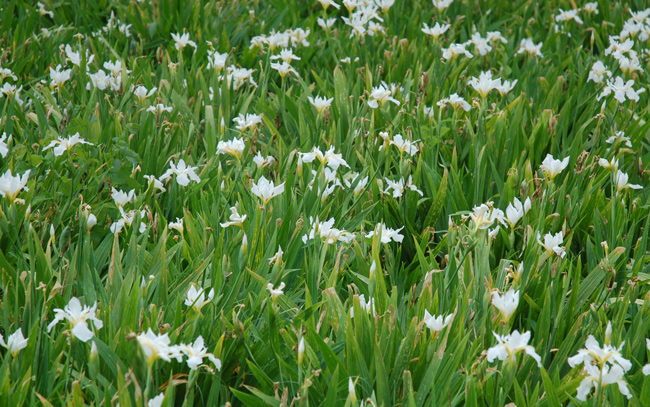
white pixie iris

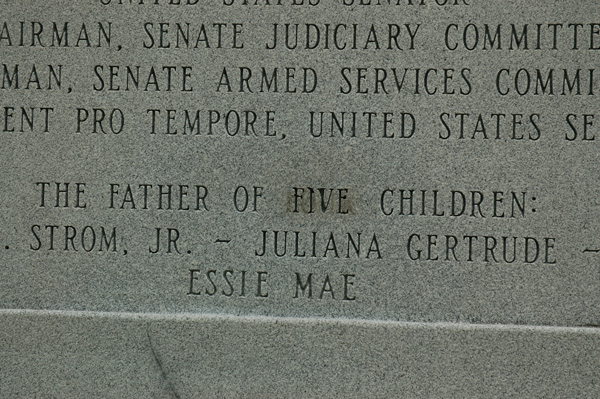
strom thurmon statueThis is a photo of the base of the Senator J. Strom Thurmond statue on the State House grounds. Strom was the oldest man to serve in the Senate and is well known for his racist politics and record-breaking filibuster against the Civil Rights Act in 1957. As you can see, the statue was placed before it was revealed that Strom’s oldest child was actually Essie Mae Washington-Williams who was conceived after a liaison between a young Strom and his parent’s African American maid.
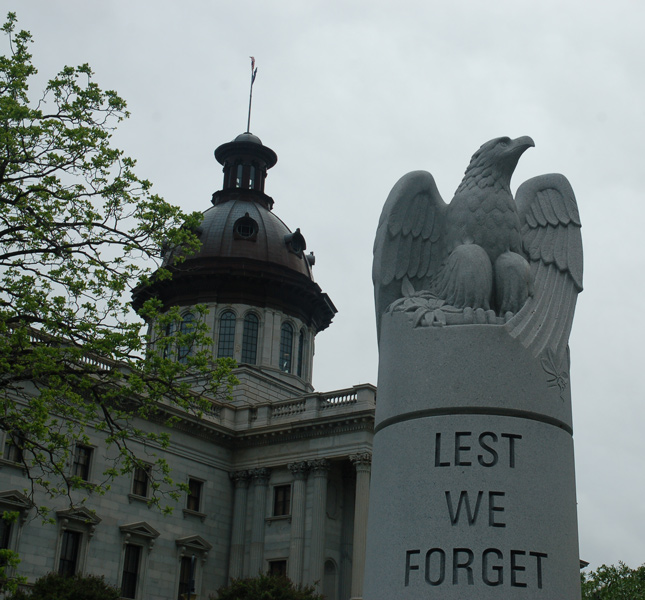
law enforcement memorialOn to a less controversial topic, this monument memorializes South Carolina law enforcement officers who were killed in the line of duty.

South Carolina oldest monumentErected in 1858 to honor the heroism of South Carolina’s Palmetto Regiment during the Mexican War, this is the oldest monument on the State House Grounds.
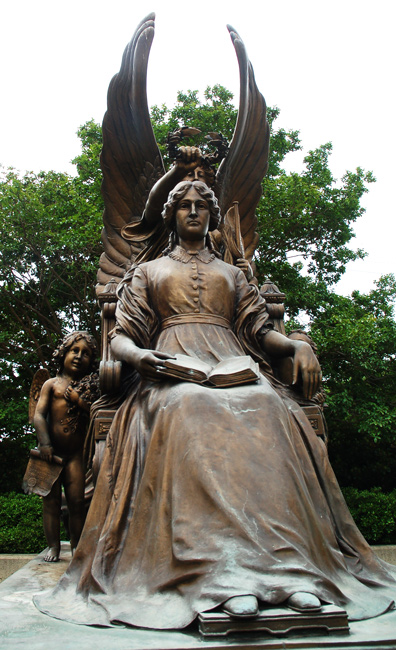
confederate women's memorialErected in 1912, this monument recognizes the contributions of the women of the Confederacy. The statue has a long and beautiful inscription. Here is an excerpt:
“At clouded dawn of peace / they faced the future /undismayed by problems
and fearless of trials / in loving effort to heal / their country’s wounds
and with conviction / that from the ashes of ruin / would come resurrection
and truth / with glorious vindication…” To read all of the inscription panels, visit this page.

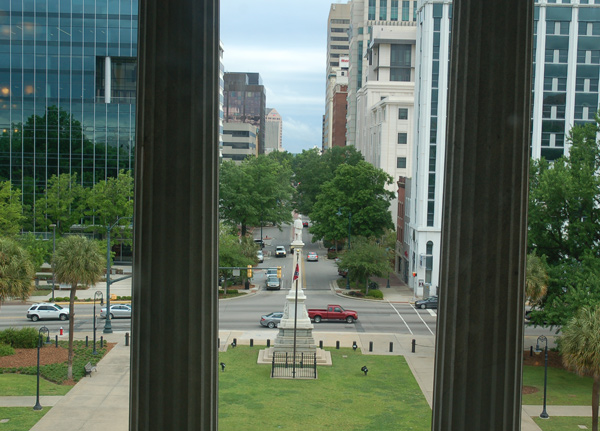
This monument honors South Carolinians who died during the Civil War. The Confederate Flag flies at the rear of the monument. It originally flew from the dome but was moved to this location as a compromise.

African American MonumentSouth Carolina was the first state capitol to feature a monument to African Americans. The photo above shows the monument. The low structure in the center of the walkway represents the cargo-hold of a slave ship. The panels show a timeline of African Americans in the state.

african american monument south carolina

The panels are a wonderful representation of the struggles and sacrifices of African Americans in South Carolina. The monument is well-done and quite moving.

As you can see from this post, the South Carolina State House is a place of controversies and contradictions. There are aspects that inspire pride and others that make you feel uncomfortable. I’d say it’s pretty representative of the state’s long history.  I encourage you to visit the South Carolina State House and take it all in for yourself. To plan your visit, click here.